Choosing the right modular building manufacturer is one of the most important decisions when planning a modular construction or accommodation project. Whether you are developing a resort, a glamping campsite, a commercial space or a private accommodation project, the manufacturer you choose will directly affect product quality, project costs, production schedules and long-term performance.
However, not all modular building manufacturers offer the same capabilities. Some focus mainly on assembling standard products, while others have their own research and development teams, engineering capabilities and manufacturing systems. So, how can you identify a reliable modular building manufacturer? Here are eight important factors to consider before making your decision.
1. Evaluate the manufacturer’s real production capabilities
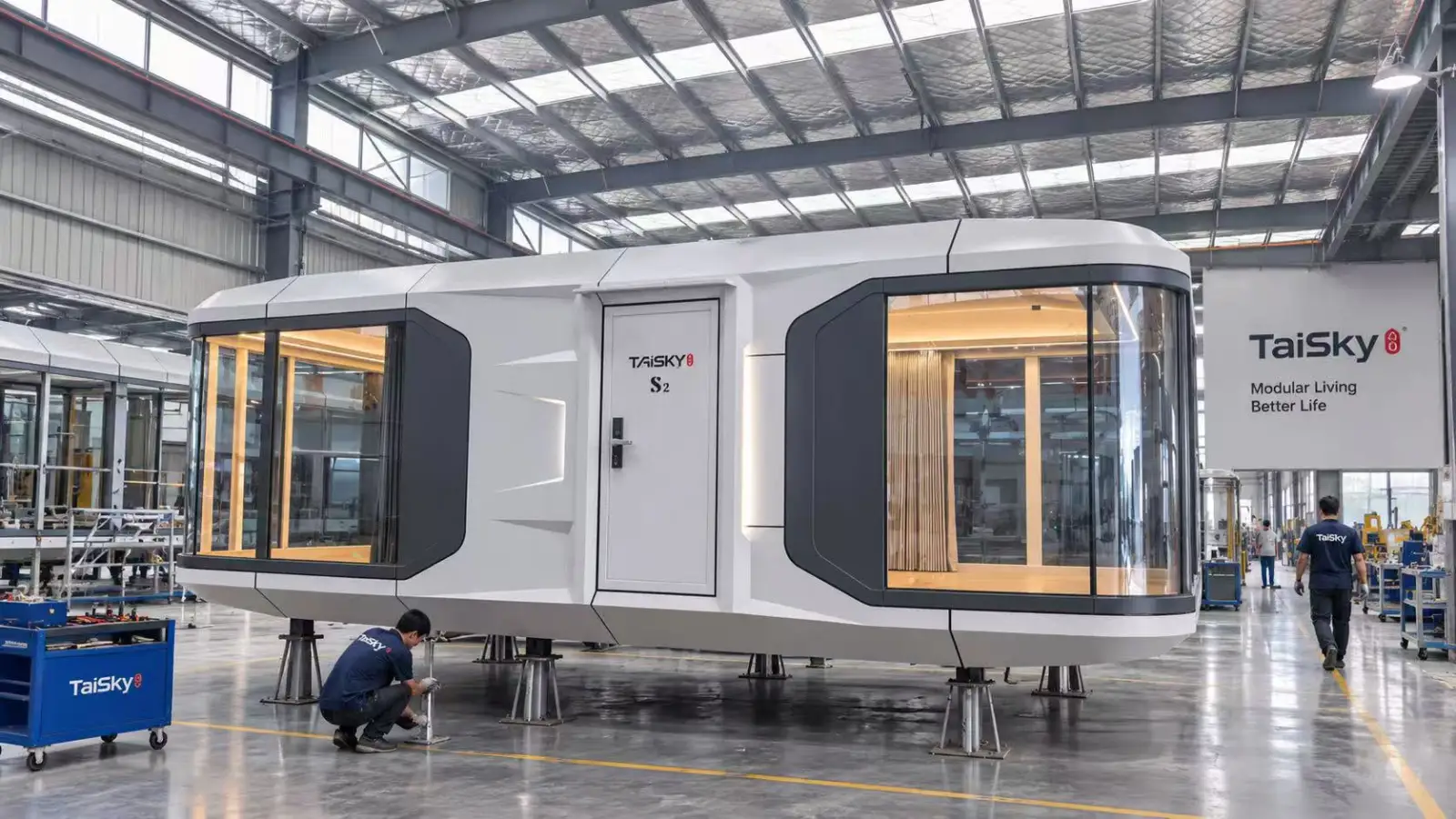
A professional modular building manufacturer should have more than an attractive product catalog. You should understand whether the company has its own manufacturing facilities, production equipment, technical team and organized production processes.
Important questions include: does the company operate its own factory; what is the size of its production facilities; does it have stable production capacity; can it handle both standard products and customized orders; can it support multiple units for larger projects?
A manufacturer with established production facilities is generally better positioned to coordinate production schedules and maintain consistency across different units. When evaluating a supplier, ask for actual factory photos, production videos and information about its manufacturing capabilities.
2. Check engineering and product development capabilities
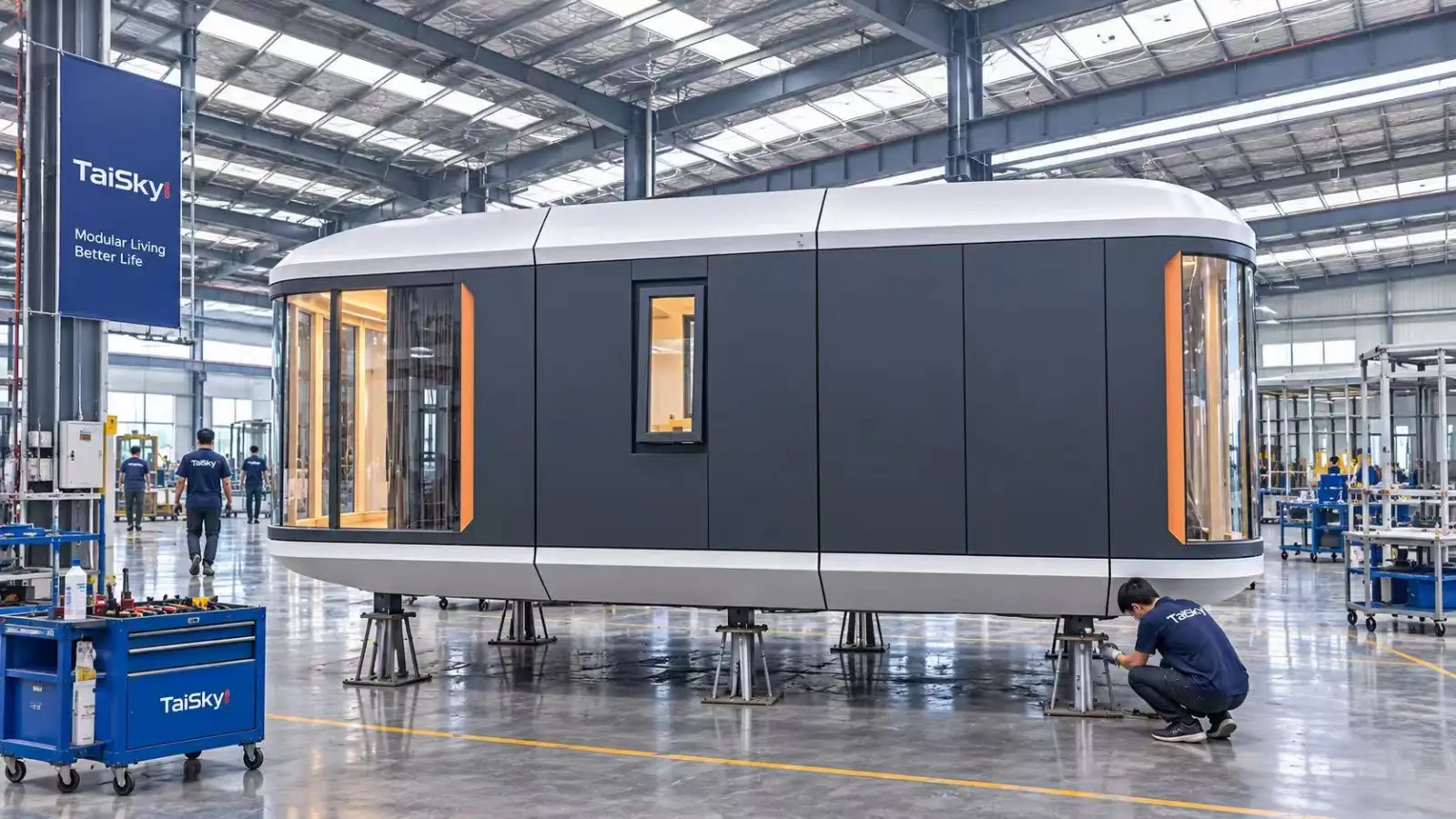
A modular building is not simply a combination of walls, floors and a roof. Its structural design, material selection, connections, insulation, waterproofing and functional layout all influence its performance. This is particularly important when your project requires a customized appearance or special functional requirements.
A capable manufacturer should be able to understand your design concepts and project requirements, evaluate structural and manufacturing feasibility, optimize materials and production methods, consider transportation and installation requirements, and develop practical solutions based on your budget and intended use.
If you already have drawings, reference images or an initial concept, check whether the manufacturer can help translate those ideas into a practical product — the process we describe under custom development.
3. Understand the manufacturing process and quality control
Product appearance is important, but the quality behind the appearance matters even more. Before choosing a modular building manufacturer, try to understand how its products are manufactured and inspected.
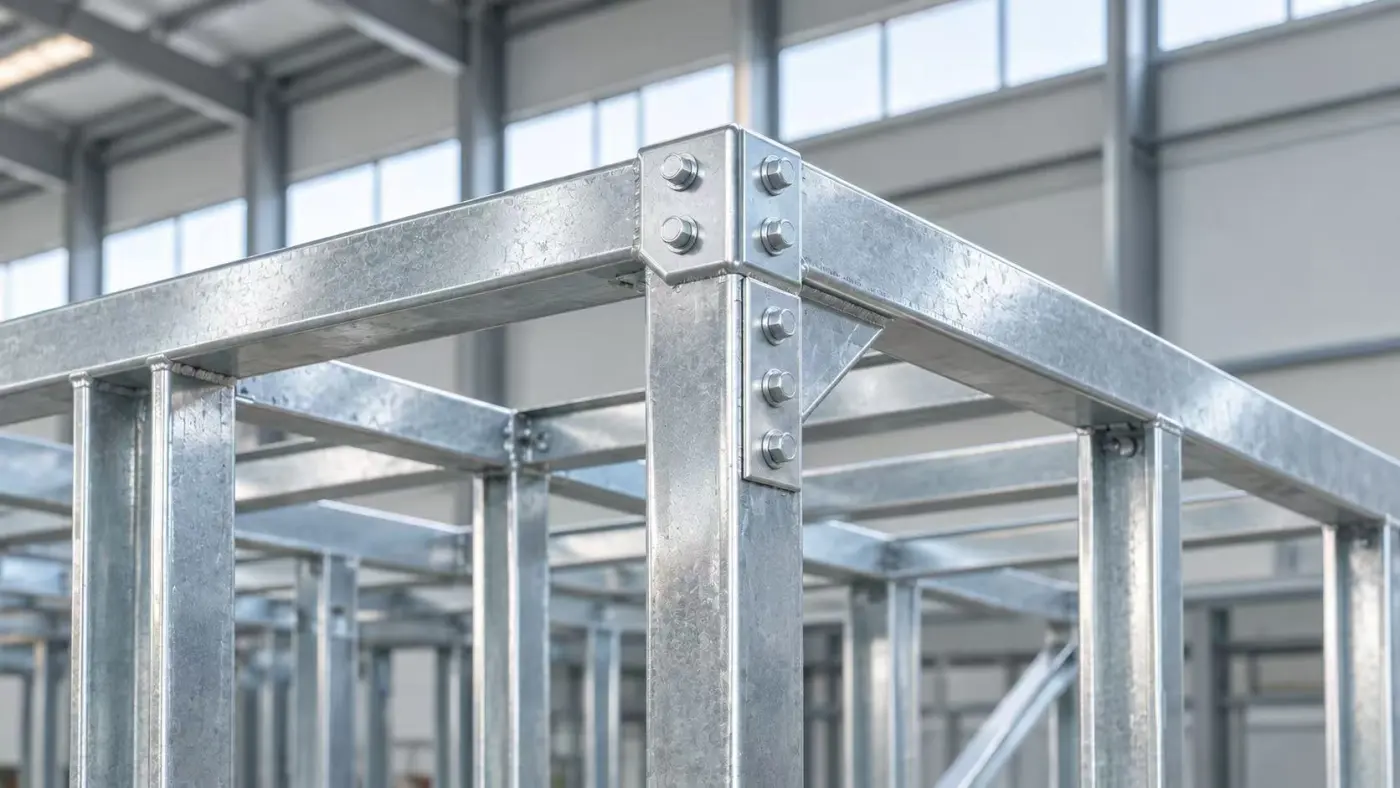
Structural manufacturing. Check the structural materials, connection methods, welding quality and overall assembly accuracy.
Material selection. Ask about the materials used for the exterior, insulation, waterproofing, windows, doors and interior finishes.
Production standards. Understand whether the manufacturer follows consistent production procedures rather than relying entirely on manual adjustments.
Quality inspection. Check whether important stages of production are inspected and whether the finished product is checked before delivery.
A reliable manufacturing system should focus on consistency, durability and practical performance, not just appearance. Our own sequence is set out in engineering and manufacturing.
4. Make sure the manufacturer can handle customization
Not every project can use a standard product directly. Different customers may have different requirements for building dimensions, exterior appearance, interior layouts, materials and functional configurations.
A suitable modular building manufacturer should be able to work with different starting points: standard products with established specifications; customer-provided drawings or design concepts; reference images that need further engineering development; initial ideas that require complete design and product development support.
Customization should not simply mean changing the exterior appearance. It should also consider structural feasibility, manufacturing efficiency, transportation limitations, installation conditions and overall project costs. The goal is to turn a design concept into a product that can actually be manufactured and delivered.
5. Consider production capacity and delivery coordination
For projects involving multiple buildings, production capacity and delivery coordination become particularly important. A manufacturer should be able to explain its production arrangements, estimated manufacturing schedule and delivery preparation process.
Before placing an order, clarify: the estimated production lead time; the production schedule for multiple units; the availability of key materials; packaging and transportation arrangements; and whether installation guidance or technical support is available.
Do not evaluate a supplier only by its claimed monthly capacity. A good manufacturing partner should also be able to explain how production is organized and how delivery requirements are coordinated.
6. Check transportation and installation experience
Modular buildings are often manufactured in one location and transported to another. This means transportation and installation should be considered from the beginning of the project.
Important factors include overall transportation dimensions and weight; loading and unloading arrangements; lifting points and lifting requirements; road transportation restrictions; site access and foundation conditions; and on-site assembly and utility connections.
For international projects, these considerations are especially important because transportation regulations and installation conditions vary between countries. A manufacturer with relevant project experience can help identify potential issues before production begins.
7. Understand after-sales support and long-term maintenance
A modular building is a long-term asset, not simply a product that is delivered and forgotten. Before choosing a manufacturer, understand how maintenance and after-sales support are handled.
A practical support system may include clear product documentation; standardized components and electrical layouts; maintenance instructions; identification and replacement of parts; remote technical guidance; and assistance with troubleshooting.
For overseas customers, remote support and accessible replacement components can be particularly valuable. You should also clarify warranty terms, service responsibilities and the conditions for replacement parts before signing an agreement.
8. Look for real project experience
A product catalog can show what a manufacturer intends to produce. Real project experience provides additional evidence of how its products are used.
When evaluating a supplier, ask to see completed project photographs; different product applications; factory production records or progress photos; customized product examples; and project details and customer requirements where available.
Pay attention to whether the manufacturer has experience with projects similar to yours. A supplier that understands your application scenario may be better equipped to provide practical suggestions beyond simply manufacturing the building. Some of our own references are collected under projects.
Why consider TaiSky as your modular building manufacturing partner
Established in 2016, TaiSky is a manufacturer specializing in mobile buildings and innovative accommodation spaces. We believe that a building can be mobile in form while maintaining lasting quality in construction. Our approach is built around product development, engineering design, manufacturing and project implementation.
Our manufacturing capabilities: a 100 mu industrial park; 80,000 square meters of standardized production workshops; production capacity of more than 300 units per month; a 30,000 square meter immersive product experience center; and more than 30 national patented technologies. TaiSky operates with a Guangdong research and development base and a Henan manufacturing base.
We offer three main cooperation approaches:
Standard mobile spaces. For customers looking for established products with mature designs and efficient delivery arrangements. See the product centre.
Custom mobile spaces. For customers with their own designs, reference images or functional requirements who need professional development and manufacturing support.
Complete concept-to-production solutions. For customers who have an initial idea and need assistance with concept development, design, engineering, manufacturing and implementation.
Our experience includes more than 100 domestic and international project implementations. We focus not only on supplying finished buildings, but also on helping customers develop practical, reusable and long-lasting mobile space solutions.
Final thoughts
Choosing a reliable modular building manufacturer requires more than comparing product prices. You should evaluate the company’s manufacturing capabilities, engineering experience, quality control, customization services, delivery coordination and long-term support.
The right manufacturing partner should understand your project requirements and help turn your ideas into practical building solutions. If you are planning a modular accommodation, resort, glamping or commercial building project, TaiSky is ready to discuss your requirements.
Contact TaiSky to explore the right modular building solution for your project.
TaiSky — Built to Move. Designed to Last.